
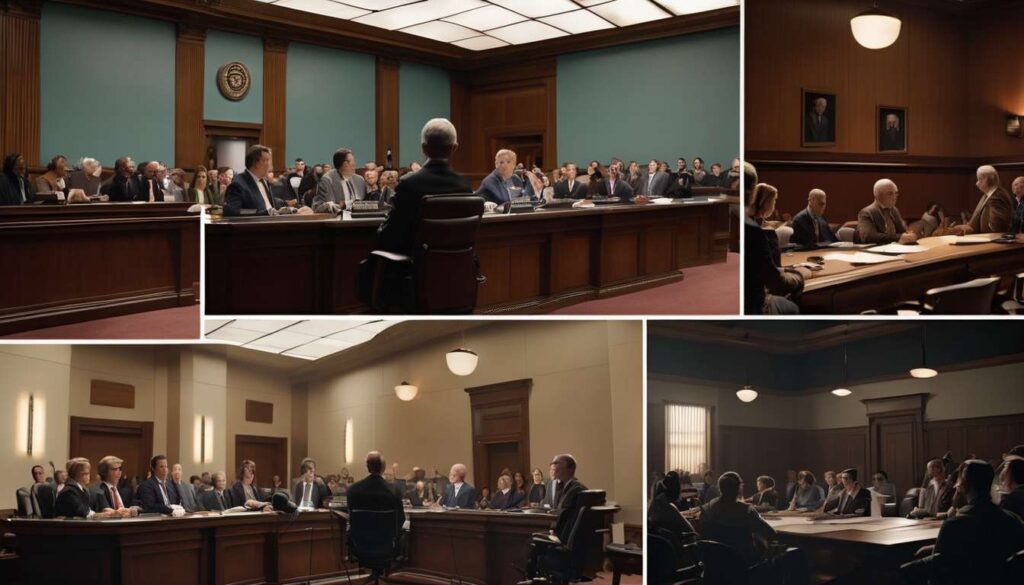
Between a late-night producers’ meeting and the next morning’s legislative hearing, we witnessed how policy chatter reshaped an entire shoot.
We were scheduling performers around proposed zoning ordinances, recalibrating budgets to account for potential licensing fees, and debating whether new age-verification mandates would force us to alter creative choices.
As cameras rolled, lawyers and advocates populated our inboxes; as lights dimmed, policymakers’ rhetoric reshaped distribution strategies.
We found that debates about morality, health, and commerce did not live in distant halls of government but threaded through our call sheets, contracts, and marketing plans.
This proximity forced us to become inadvertent stakeholders in public deliberation—advocates for worker safety, defenders of free expression, and pragmatic negotiators of compliance.
Our experience shows that adult film production is not merely affected by policy; it is a participant in the policy conversation, adapting in real time to shifting legal and social landscapes while trying to preserve livelihoods and artistic autonomy.
Policy and Production Intersections
We examine how regulations, public funding decisions, and zoning laws directly shape where, how, and under what conditions adult films get produced.
Policy choices aren’t abstract; they set practical boundaries that affect daily work. When zoning restricts production to certain districts, communities and creators adjust workflows, commuting, and access to services.
We are attentive to rules around age verification because consistent, enforceable processes protect performers and build trust within our networks.
We also focus on worker safety mandates—from health protocols to harassment prevention—so everyone on set feels respected and included. This includes clear procedures, reporting channels, and training.
Public funding decisions and licensing requirements can either reinforce equitable practices or push activity underground, harming the very people policies aim to protect.
We want policymakers to hear that clear, consistent enforcement combined with supportive resources strengthens both compliance and community wellbeing. Supportive resources might include technical assistance, grant programs, and accessible licensing pathways.
By centering shared values—safety, dignity, and belonging—we can make policy tools work for creators, workers, and neighbors without stigmatizing the industry.
Key policy levers to consider:
-
Zoning and land-use rules
- Define appropriate districts and mitigate neighborhood impacts.
- Balance access to services and commuting needs for crews and performers.
-
Age verification and identity safeguards
- Standardize enforceable processes to protect minors and build trust.
- Provide clear guidance and affordable compliance tools.
-
Worker safety and anti-harassment mandates
- Require training, reporting mechanisms, and health protocols.
- Ensure confidentiality and survivor-centered responses.
-
Public funding and licensing
- Use funding and licensing to incentivize equitable practices.
- Avoid barriers that drive work underground or create inequitable access.
-
Enforcement plus support
- Pair clear, consistent enforcement with technical assistance, grants, and outreach.
- Prioritize community engagement to reduce stigma and increase mutual understanding.
Together, these approaches promote safer, more equitable production environments and healthier community relations.
Zoning and Location Choices
We examine how local land-use rules and neighborhood context shape where productions can operate, who can access them, and the day-to-day logistics crews and performers face.
Zoning and siting rules (zoning maps, buffer requirements, conditional-use permits) often push shoots into industrial or peripheral areas.
- These locations can be isolated from services and community support.
- Isolation affects access to transportation, medical services, food, and housing for crews and performers.
We want policies that recognize people, not just parcels, so we advocate for transparent siting processes that include neighbors, workers, and artists.
- Public notice and opportunities for community input.
- Participation channels for workers and performers to raise concerns.
Location choices intersect with age verification practices and safe transport, and remoteness complicates both compliance and trust.
- Verifying IDs at remote sites can be harder to do securely and discreetly.
- Ensuring timely, monitored arrival and departure is more complicated, increasing safety and logistical risks.
We push for clear local guidance that balances neighborhood concerns with practical measures to protect privacy and worker safety.
- Secure check-in points and privacy-respecting ID verification procedures.
- Adequate lighting, signage, and on-site security proportional to risk.
- Vetted transportation options and coordinated drop-off/pick-up procedures.
Together, we can shape local rules that keep communities connected and productions accountable.
Licensing and Compliance Costs
Many productions face rising licensing and compliance costs that eat into budgets, complicate small producers’ viability, and shape who can afford to work in the industry.
Local zoning requirements force searches for compliant locations, which often:
- add rental premiums or relocation expenses that smaller teams can’t absorb,
- encourage longer-scoped location scouting and contingency planning,
- push some productions out of desirable neighborhoods and into less accessible areas.
Licensing fees and permit timelines create cash-flow stress.
- These costs can be unpredictable and require upfront payment.
- Smaller teams frequently pool resources or form cooperatives to meet them together.
Compliance paperwork tied to age verification, while crucial, brings administrative burdens.
- Duplicate systems across jurisdictions increase overhead.
- The administrative load favors larger companies with legal and compliance staff.
Mandated worker safety measures—training, inspections, and equipment—raise baseline costs but protect everyone on set.
- Training and certification requirements require time and expense.
- Regular inspections and specialized equipment add recurring costs.
Together, these overlapping obligations change how productions operate.
- They affect planning of shoots, hiring of crew, and project pricing.
- They influence who gets to participate and which voices are amplified.
By sharing strategies, advocating for streamlined processes, and supporting community-oriented solutions, we can protect both livelihoods and the people we work with.
- Examples: pooled compliance services, shared legal clinics, coordinated training programs, and lobbying for harmonized paperwork across jurisdictions.
Age Verification Impacts
Many productions now spend significant time and resources confirming performers’ ages, and those efforts shape hiring, scheduling, and recordkeeping across the industry.
Consistent age verification processes help everyone feel respected and included.
- Clear expectations reduce uncertainty for performers and crews alike.
- Standardized procedures make hiring decisions and day-of arrangements more predictable.
Implementing robust document checks and secure databases changes planning and logistics.
- We verify documents and record results in secure systems.
- This practice affects how we plan shoots, reserve locations, and coordinate with local zoning rules to avoid disruptions.
We prioritize transparency so team members know procedures are fair and standardized.
- Transparency fosters trust and a sense of belonging.
- Sharing policies and timelines reduces misunderstandings and disputes.
While these measures add administrative work, they protect reputation and create predictable timelines.
- Predictability benefits freelancers and full-time staff by clarifying availability and payment schedules.
- Reputation protection reduces legal and public-relations risks.
We balance thorough verification with respect for privacy.
- Use minimal necessary data storage.
- Apply strict access controls to limit who can view sensitive information.
By embedding age verification into routine workflows and addressing zoning constraints early, productions run more smoothly.
- Early consideration prevents last-minute cancellations or rescheduling.
- The goal is to uphold professionalism and worker safety without alienating contributors or creating unnecessary barriers to participation.
Worker Safety Regulations
We prioritize clear safety protocols and enforceable standards so crews and performers can work without avoidable risk.
We recognize that thoughtful worker safety rules build trust and a sense of belonging across productions, and we commit to practical measures that protect everyone on set.
We advocate for regulations that harmonize with local zoning requirements to ensure venues are appropriate and compliant without stigmatizing the industry.
We support robust age verification systems that are integrated with safety training and incident reporting, so crew and performers alike can be confident environments are lawful and secure.
We favor mandatory on-set safety officers, accessible grievance mechanisms, and regular inspections tailored to the sector’s realities.
We believe policies should be co-created with workers, not imposed from afar, so standards reflect lived experience and operational needs.
By centering worker safety in policy debates, we strengthen community, reduce harm, and promote sustainable, respectful production practices that let people do their work with dignity.
Free Expression Challenges
We defend creators’ rights to produce and distribute adult content while acknowledging tensions between free expression, community standards, and public policy.
We recognize that zoning and similar regulations can unintentionally marginalize creators by concentrating production or pushing it underground.
- We advocate for fair, transparent rules that respect local concerns without silencing voices.
We support robust age verification that protects minors while avoiding burdensome, privacy-eroding systems.
- The goal is to protect children without deterring legitimate creators and audiences.
We insist that defending expression must not come at the expense of worker safety.
- Policies should integrate safeguards such as:
- Health access
- Clear consent protocols
- Practical reporting channels
- Performers should not be penalized by laws that ignore on-the-ground realities.
We want policy discussions to include creators, workers, neighbors, and policymakers in respectful dialogue.
- Inclusive conversation builds belonging through shared problem-solving.
We call for targeted, evidence-based measures that balance community values and constitutional protections.
- The aim is to ensure adult content creators can work openly, safely, and with dignity rather than being excluded by blunt or discriminatory rules.
Distribution and Platform Shifts
As platforms evolve and gatekeepers shift, we must ensure creators can reach audiences without being subject to opaque moderation, arbitrary deplatforming, or exploitative revenue models.
We face a landscape where distribution channels — from subscription sites to decentralized tools — are reshaping how content travels and who controls access.
We want systems that respect community norms while protecting creators’ livelihoods.
- This requires clear rules around the zoning of content.
- It requires proportionate age verification that protects minors without unduly exposing adults.
- It requires robust worker safety standards for performers and creators.
We recognize that platform consolidation can isolate creators and fragment audiences, so we support interoperable solutions and fair monetization that keep communities together.
- Interoperability to let creators move and audiences follow.
- Fair monetization so creators are not subject to excessive fees or revenue grabs.
We do not accept policies that push production underground or force performers into risky workarounds.
- Instead, we will back transparent moderation and predictable appeals processes.
- We will support technical fixes that balance privacy with legal and policy compliance.
By centering belonging and shared responsibility, we can build distribution models that sustain creative work, uphold dignity, and reduce harms without excluding those who make and consume adult content.
Advocacy and Industry Response
We will mobilize creators, platforms, advocates, and policymakers to push for clear laws, industry standards, and coordinated campaigns that protect performers’ rights and ensure fair, transparent distribution.
We’ll build broad, inclusive coalitions that welcome members from diverse backgrounds so everyone feels seen and connected. This coalition will also address zoning restrictions that displace shoots and limit creative livelihoods.
We’ll advocate for consistent, non-stigmatizing age verification protocols that protect young people without singling out or stigmatizing performers, and we’ll share best practices so platforms implement checks fairly and uniformly.
We’ll prioritize worker safety by promoting:
- on-set health protocols,
- accessible reporting channels,
- labor practices that honor consent and compensation.
We’ll produce practical policy tools including:
- model ordinances,
- policy briefs,
- guidance for local officials to explain industry realities and reduce fear-driven regulation.
We’ll coordinate campaigns and mutual aid by sharing resources and aligning actions so we strengthen our collective voice and ensure reforms enhance rights, dignity, and sustainable work for everyone in the community.
How do public health crises (like pandemics) uniquely affect adult film production beyond the regulations discussed in the article?
Pandemics amplify health anxieties and raise the bar for trust.
Adult film productions face heightened concerns about contagion that go beyond formal regulations. This increases pressure on performers and crew to vet health behaviors, medical histories, and comfort levels more thoroughly, which in turn makes informal trust-building and quick casting decisions harder.
Disrupted social networks make casting and crew bonding more difficult.
Pandemic-related distancing and reduced in-person socializing fracture the informal networks productions rely on. This disruption complicates finding collaborators, reduces opportunities for new talent discovery, and weakens the relational groundwork that helps teams work smoothly on set.
Economic shocks force creative and business-model pivots.
Canceled shoots, reduced budgets, and shifts in audience habits create acute financial pressure. Productions respond by pivoting to solo, remote, or lower-contact formats, diversifying revenue streams, and adopting more flexible scheduling and contracting to survive unpredictability.
Stigma compound barriers to support, so communities develop compensating practices.
Because stigma can limit access to mainstream aid or sympathetic public messaging, the industry often must rely on internal supports. Practitioners build mutual-aid systems, codify clearer safety norms tailored to their context (beyond legal requirements), and design flexible business models that prioritize both health and economic resilience.
What are the long-term career and retirement planning options commonly available to adult performers in light of shifting public policies?
Goal: Plan for long-term careers and retirement amid shifting policies.
Diversify income sources.
- Save regularly and build emergency funds.
- Invest in diversified portfolios (stocks, bonds, real estate, retirement accounts).
- Contribute to pensions where available and explore private retirement accounts (IRAs, 401(k)s, equivalents).
- Create additional revenue streams by building personal brands, launching businesses, licensing work, or teaching.
Build education, skills, and networks.
- Pursue ongoing education and certifications that increase employability.
- Develop transferable skills (project management, marketing, finance, digital production).
- Network across industries to open alternative career pathways and freelance opportunities.
Seek professional and collective financial support.
- Consult financial advisors or planners for personalized retirement strategies.
- Organize or join community-run funds, unions, or cooperative saving schemes to pool risk and bargaining power.
- Advocate for policy changes through unions and industry groups.
Plan for healthcare and insurance needs.
- Research available healthcare options (public programs, employer plans, private insurance).
- Purchase long-term disability and life insurance as appropriate.
- Consider health savings accounts (HSAs) or equivalents where applicable.
Foster peer mentorship and collective planning.
- Establish peer-mentorship programs to share knowledge about career transitions and retirement planning.
- Create collective retirement planning workshops and resources to ensure inclusivity and accessibility.
- Promote transparent communication so performers at all stages feel secure as policies evolve.
Next steps (practical actions).
- Audit current income, savings, and benefits.
- Set short- and long-term financial goals and timelines.
- Identify skills to develop and educational resources.
- Connect with financial advisors, unions, or community funds.
- Implement diversified income and insurance strategies.
Outcome: By combining diversified income, continuous learning, professional advice, collective action, and healthcare planning, performers can build resilient long-term careers and retirement security despite changing policies.
How do tax laws and financial regulations specifically impact studios and independent creators in the adult industry?
Tax laws and financial regulations create complex reporting, withholding, and classification rules that change liability and deductible options for studios and independent creators.
Key impacts on operations:
- Income classification and worker status. Misclassifying performers or contractors can trigger back taxes, payroll taxes, and penalties.
- Withholding and reporting requirements. Different jurisdictions require different forms, backups for payments, and sometimes tax withholding for non-resident performers.
- Deductibility limits and scrutiny. Certain expenses may be limited or closely scrutinized, affecting net taxable income.
Practical financial controls and compliance measures:
- Robust bookkeeping. Maintain accurate, categorized records of income, expenses, and payments to contractors for easier reporting and defensible positions during audits.
- Payroll compliance. Implement systems to handle payroll taxes, worker classification, and timely filings; consider payroll providers familiar with the industry.
- Professional tax and legal advice. Engage accountants and attorneys who understand adult‑industry specifics to structure operations, contracts, and tax positions properly.
Banking and payment challenges:
- Limited access to mainstream banking. Many banks and payment processors restrict adult‑industry accounts, increasing the need for specialized providers.
- Use specialized financial services. Work with banks, payment processors, and merchant services that serve high‑risk industries and know compliance expectations.
- Cash flow and reserve planning. Build savings buffers to manage revenue volatility, chargebacks, freezes, or sudden regulatory changes.
Audit readiness and risk management:
- Prepare for audits. Keep source documentation (contracts, invoices, model releases, payment records) and a clear paper trail for tax positions.
- Mitigate regulatory exposure. Stay informed on local, state, federal, and international rules that affect reporting, obscenity/decency law intersections, and payment flows.
- Insurance and contingency planning. Consider professional liability, cyber, and business interruption insurance where available.
If you’d like, I can:
- Outline a sample bookkeeping chart of accounts tailored to an adult‑industry studio or creator.
- List common deductible expense categories and documentation needed to support them.
- Recommend questions to ask potential accountants, payroll providers, or banks.
Which of these would help most right now?
Conclusion
You’ve seen how policy debates shape every stage of adult film production — from where shoots happen to how performers are verified and protected.
As regulations and zoning rules tighten, costs and compliance demands rise, pushing producers to adapt distribution and platform strategies.
You’ll keep navigating legal challenges to free expression while advocacy groups push for safer working conditions.
Ultimately, the industry’s future will hinge on balanced policies that protect people without stifling creative and economic activity.