
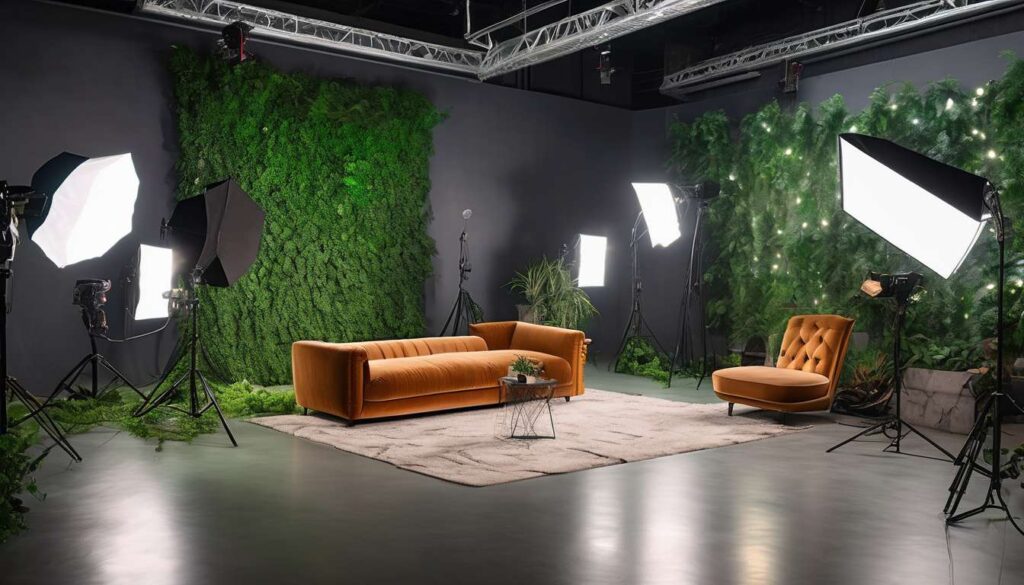
Draping a studio in minimalist grayscale or splashing it with maximalist neon tells us as much about audience expectations as casting choices do.
We watch the sets, lighting, and props negotiate between polished cinematic aesthetics and the immediacy of amateur authenticity, and we see a new grammar of desire being written.
We compare boutique productions that mimic mainstream filmmaking—careful color palettes, bespoke furniture, location scouting—with guerrilla shoots that prize intimacy and relatability, and that contrast reveals shifting priorities: prestige and production value versus speed and platform-native formats.
We explore how budgets, distribution channels, and performer agency influence design decisions.
We consider sustainability, modularity, and inclusivity as practical concerns reshaping studio floors.
As designers, producers, and viewers, we map how visual language in adult film is evolving, and we ask what these choices signal about broader changes in taste, technology, and the business of making erotic content.
Minimalist Grayscale Sets
We pare sets down to stark grayscale palettes and sparse furnishings to keep attention on performance and mood.
We choose set design that feels intentional and familiar so everyone on crew and cast knows they belong to a shared vision.
We favor muted tones and clean lines that reduce distraction and let movement and expression take center stage.
We commit to sustainable production practices.
- We select durable, recycled materials and modular pieces that get reused scene to scene.
- We design lighting and layouts to minimize energy use while still creating depth and atmosphere.
We prioritize performer-centered spaces.
- Clear sightlines.
- Comfortable seating.
- Backstage areas that respect privacy and prepare people for work.
We involve performers and technicians in planning, because belonging grows when voices shape the environment.
- We document configurations for consistency and wellbeing.
- We adapt quickly to feedback.
Result: In this restrained aesthetic, performance is amplified, crew workflows are simplified, and everyone feels aligned with purpose and care.
Maximalist Neon Aesthetics
We embrace bold, saturated neon palettes and layered textures to create immersive, high-energy environments that heighten emotional and visual impact.
We layer glowing tubing, reflective surfaces, and tactile fabrics to craft set design that feels inclusive and intentional.
- This approach invites crew and performers to belong in a shared creative space.
- It emphasizes tactile and visual elements that encourage interaction and presence.
We prioritize performer-centered spaces by configuring sightlines, safe zones, and quick-change areas within the neon framework so artistry and comfort coexist.
- Sightlines are optimized for performance and camera coverage.
- Safe zones are designated and clearly marked for rest and equipment clearance.
- Quick-change areas are integrated for efficiency and privacy.
We commit to sustainable production methods even within maximalist aesthetics, choosing energy-efficient LEDs, recycled materials, and modular pieces that reduce waste and speed turnaround.
We balance extravagance with responsibility, ensuring vibrant visuals don’t mean disposable sets.
- Energy-efficient lighting (LEDs) lowers power draw and heat.
- Recycled and upcycled materials reduce material consumption.
- Modular design enables reuse, storage efficiency, and rapid assembly/disassembly.
We collaborate across departments to maintain aesthetic cohesion while honoring individual needs, turning bold color and texture into a language of trust.
- Solicit input from wardrobe, lighting, camera, and safety teams early.
- Adjust color/texture choices to respect skin tones, fabric behavior, and camera exposure.
- Coordinate staging and choreography to preserve both visual intent and practical needs.
We iterate designs based on feedback, keeping environments both exhilarating and respectful so everyone on set feels seen, supported, and part of the creative vision.
- Feedback loops from performers and crew guide refinements.
- Continuous testing (lighting, sightlines, quick-change flow) ensures comfort and functionality.
- The goal is an inclusive, high-impact environment that supports artistry and well-being.
Cinematic Production Values
Cinematic production values elevate mood, narrative, and performance through intentional lighting, lens choices, and camera movement.
We prioritize:
- Intentional lighting to shape mood and reveal character.
- Thoughtful lens selection — wide lenses for context; longer lenses for compressed, intimate moments.
- Purposeful camera movement that supports performance and narrative clarity.
Set design that feels lived-in and purposeful ensures every prop and texture reinforces tone without clutter.
We choose set elements to:
- Reinforce character and story through texture and placement.
- Avoid unnecessary items that distract from the scene.
- Use durable, reusable materials for both aesthetic and practical longevity.
Lens and rig choices support intimacy and clarity so viewers and performers feel seen.
Guidelines include:
- Wide lenses for environmental context and spatial relationships.
- Longer lenses for compressed perspective and focused emotional beats.
- Camera rigs that allow smooth, unobtrusive movement to maintain performer comfort.
We commit to sustainable production practices that reduce waste and favor reusable set elements.
Benefits of this commitment:
- Aligns with community values and workplace pride.
- Lowers environmental impact and long-term costs.
- Encourages thoughtful sourcing and material selection.
Performer-centered spaces prioritize comfort, privacy, and ergonomics.
Key design features:
- Dressing, warm-up, and resting areas placed adjacent to set flow.
- Comfortable, private spaces for preparation and downtime.
- Ergonomic considerations to reduce strain during long shoots.
We foster collaborative planning sessions where performers, directors, and designers align on blocking, lighting cues, and pace.
This collaboration ensures:
- Efficient, respectful shoots with clear expectations.
- Better integration of performance needs and technical execution.
- Reduced on-set friction and faster problem-solving.
When production values are deliberate and humane, the work feels cohesive, professional, and welcoming.
Outcomes:
- Strengthened trust among crew, performers, and audiences.
- A safer, more productive set environment.
- Higher-quality, emotionally resonant final work.
Guerrilla and DIY Shoots
For guerrilla and DIY shoots, we embrace low-budget ingenuity.
Key priorities:
- Portable gear for mobility and fast setups.
- Locations that enable authentic moments while not compromising safety or consent.
Set design focuses on versatility:
- Lightweight backdrops that are easy to move and store.
- Modular props that can be rearranged quickly.
- Simple, flattering lighting that remains unobtrusive.
Performer-centered spaces are essential, even in transient environments.
We ensure:
- Privacy and clear boundaries.
- Comfortable rest areas.
- Performer involvement in layout decisions so everyone feels seen and respected.
Team practices:
- Tight communication and concise rehearsals.
- Minimal crew to maintain intimacy and uphold consent.
Sustainability commitments:
- Reduce waste and reuse materials when possible.
- Choose eco-friendly consumables to care for the wider community and locations.
Outcome:
This guerrilla mindset produces honest, collaborative visuals that are safe, ethical, and high-quality without heavy infrastructure.
Modular and Sustainable Design
We prioritize modular, eco-conscious elements that let us reconfigure scenes quickly while cutting waste and operating costs.
- Interchangeable panels, multipurpose furniture, and neutral grounding pieces form the core of our set design.
- Materials and suppliers are chosen to support sustainable production goals:
- reclaimed wood
- low‑VOC paints
- durable textiles designed for repurposing rather than disposal
We build performer-centered spaces that prioritize comfort, privacy, and ease of movement.
- Adjustable platforms, soft sightlines, and discreet storage help performers feel at home and remain involved.
- Layouts enable quick scene changes so performers can signal needs and step into different scenes without long resets, keeping energy high and schedules predictable.
We emphasize team-oriented toolkit maintenance and prop cataloging to make reuse simple and reliable.
- Regular maintenance routines and a shared catalog ensure props and modular components are easily located and deployed.
- Clear ownership and upkeep procedures reduce downtime and extend the useful life of assets.
We standardize modular components and track lifecycle impact to lower costs and environmental footprint while fostering trust and belonging.
- Standardization simplifies training, staging, and repairs.
- Lifecycle tracking informs procurement and disposal decisions, enabling continuous improvement.
- Decisions are transparent, collaborative, and focused on long-term, humane practices that support both creative goals and the people who make them possible.
Platform-Native Framing
We tailor framing and compositions to each distribution platform so scenes read clearly on mobile feeds, desktop players, and social previews while preserving artistic intent.
We prioritize clear sightlines and crop-safe focal points in set design so essential visual information survives tight mobile crops and varied aspect ratios.
We coordinate lighting, color palettes, and prop placement to preserve mood when viewers encounter content as thumbnails, vertical stories, or widescreen playback.
We embed modular backdrops that shift emphasis quickly between formats, reducing reset time and supporting sustainable production by minimizing new builds and waste.
We involve performers and crew early to ensure camera blocking honors their needs while keeping compositions tight and intentional.
We favor concise framing that communicates context and intimacy simultaneously, so our community feels included and respected across platforms.
We align technical framing standards with ethical, eco-conscious practices to create content that looks great everywhere, supports performer-centered spaces, and reflects a principled, collaborative studio culture.
Performer-Centric Spaces
We prioritize performer-centered environments that support physical comfort, emotional safety, and creative agency.
- We design rehearsal rooms, green rooms, and stages so people feel seen and supported.
- Performer-centered spaces are integrated into every plan rather than treated as afterthoughts.
Set and layout choices favor flexibility, reduced strain, and creative input.
- Flexible layouts and soft furnishings reduce physical strain and speed transitions.
- Clear sightlines improve safety and visibility.
- Spaces are intentionally left adaptable so performers can shape the scene.
We commit to sustainable production practices that protect people and the planet.
- Use of non-toxic materials.
- Modular elements that can be reused across shoots.
- Energy-efficient lighting that’s gentle on skin and eyes.
Crew training emphasizes respect, collaboration, and predictable workflows.
- Train crew to maintain respectful boundaries.
- Collaborate with performers on choreography, consent cues, and camera blocking.
- Create predictable workflows that build trust.
By centering comfort, consent, and environmental responsibility, we create inclusive, safe, and creative working spaces.
- Performers belong and contribute creatively.
- Every element of production supports safety, wellbeing, and agency.
Inclusive Representation Design
We design spaces and imagery that intentionally reflect diverse bodies, identities, and sexualities so performers and audiences see themselves represented authentically.
We prioritize deliberate set design choices — lighting, props, costumes, and textures — that honor varied skin tones, body shapes, mobility needs, and gender expressions.
We work with consultants and performers to avoid tokenism and to ensure cultural nuances are respected, creating visuals that feel lived-in rather than stereotyped.
We integrate sustainable production practices — reusing, repurposing, and sourcing materials ethically — so inclusion aligns with environmental responsibility.
We make performer-centered spaces central to our process:
- Private changing areas.
- Accessible staging.
- Sensory considerations that reduce stress and promote consent.
We build visual shorthand — background details, symbols, and language — that signals belonging without over-explaining.
We document choices in style guides and checklists so future shoots maintain continuity and accountability.
By combining intentional aesthetics, sustainable production values, and performer-centered spaces, we create work that welcomes everyone and supports authentic representation on-screen and off.
How do legal and regulatory requirements (e.g., age verification, consent documentation, health and safety inspections) influence production design choices and on-set workflows?
Legal and regulatory requirements shape production design and workflows by determining what must be included and how processes must be performed to remain compliant and protect participants.
Age verification, consent forms, and health inspections are factored into set layout, scheduling, and privacy controls.
- Age verification dictates secure check-in procedures and separate areas for sensitive verification tasks.
- Consent forms require private, documented signing spaces and secure storage.
- Health inspections influence spacing, sanitation access, and documentation readiness.
Discrete check-in areas, secure document storage, and access to medical rooms are implemented in the physical layout.
- Designate a private check-in area away from public view.
- Provide locked, access-controlled storage (physical or digital) for sensitive documents.
- Ensure easy, unobstructed access to on-site or nearby medical rooms.
Signage, PPE stations, and adjusted call times are used to support safety and testing protocols.
- Clear signage directs traffic, privacy zones, and emergency exits.
- PPE stations with supplies and disposal points are placed at key locations.
- Call times and schedules are adjusted to accommodate testing windows and reduce overlap.
Training crew on protocols ensures procedures are followed so everyone feels safe, respected, and included.
- Train for privacy, consent handling, and non-discriminatory communication.
- Train for health and safety procedures, including PPE use and emergency response.
- Train for operational protocols like staggered call times and documentation workflows.
Outcome: Combining regulatory requirements with thoughtful design and training creates compliant, efficient workflows that prioritize participant safety, privacy, and inclusion.
What are the typical budget ranges for different production design approaches, and how do studios balance cost versus quality when choosing materials, equipment, and set construction?
Typical budgets and ranges
We consider typical budgets: minimalist shoots often run $500–$2,000, midrange sets $2,000–$15,000, and high-end builds $15,000–$100,000+.
Balancing cost and quality
We balance cost and quality by:
- Prioritizing durable key pieces that withstand multiple shoots and reduce replacement costs.
- Renting specialty gear to avoid large one-time purchases for seldom-used items.
- Reusing modular set elements to speed builds and maintain visual consistency.
Vendor strategy and material choices
We negotiate rates with vendors and:
- Invest in versatile lighting that covers many scenarios and pays off over time.
- Choose materials that look premium on camera while remaining budget-friendly.
- Make inclusive, sustainable choices so the team feels involved and long-term costs are minimized.
How do studios secure and clear rights for using branded or copyrighted items (artwork, logos, music) as set dressing, and what design workarounds are common when clearance isn’t possible?
How studios secure rights and clear branded items as set dressing
Licensing and payments
- We obtain written licenses from rights holders.
- We pay synchronization and master use fees when needed.
- We document releases for logos or artwork.
When clearance is impossible
- Use original or generic designs.
- Use altered or fictional brands.
- Commission look‑alikes that avoid trademark confusion.
Documentation and protection
- Keep clearance logs.
- Maintain legal opinions to protect distribution and marketing.
Conclusion
You’ve seen how adult studios are balancing stark minimalist sets with loud neon, cinematic polish with guerrilla grit, and modular, sustainable builds that adapt fast.
You’re aware production now centers performers’ comfort and authentic representation while tailoring framing to platform formats.
Moving forward, you’ll expect hybrid approaches that prioritize safety, inclusivity, and storytelling without sacrificing efficiency.
Trends will keep evolving, but your focus on ethical, flexible design will shape smarter, more vibrant productions.